Beyond Beige and Into a Warmer Kind of Minimalism
A softer approach to minimalist living through earthy tones, natural materials, and personal details that make a home feel alive.
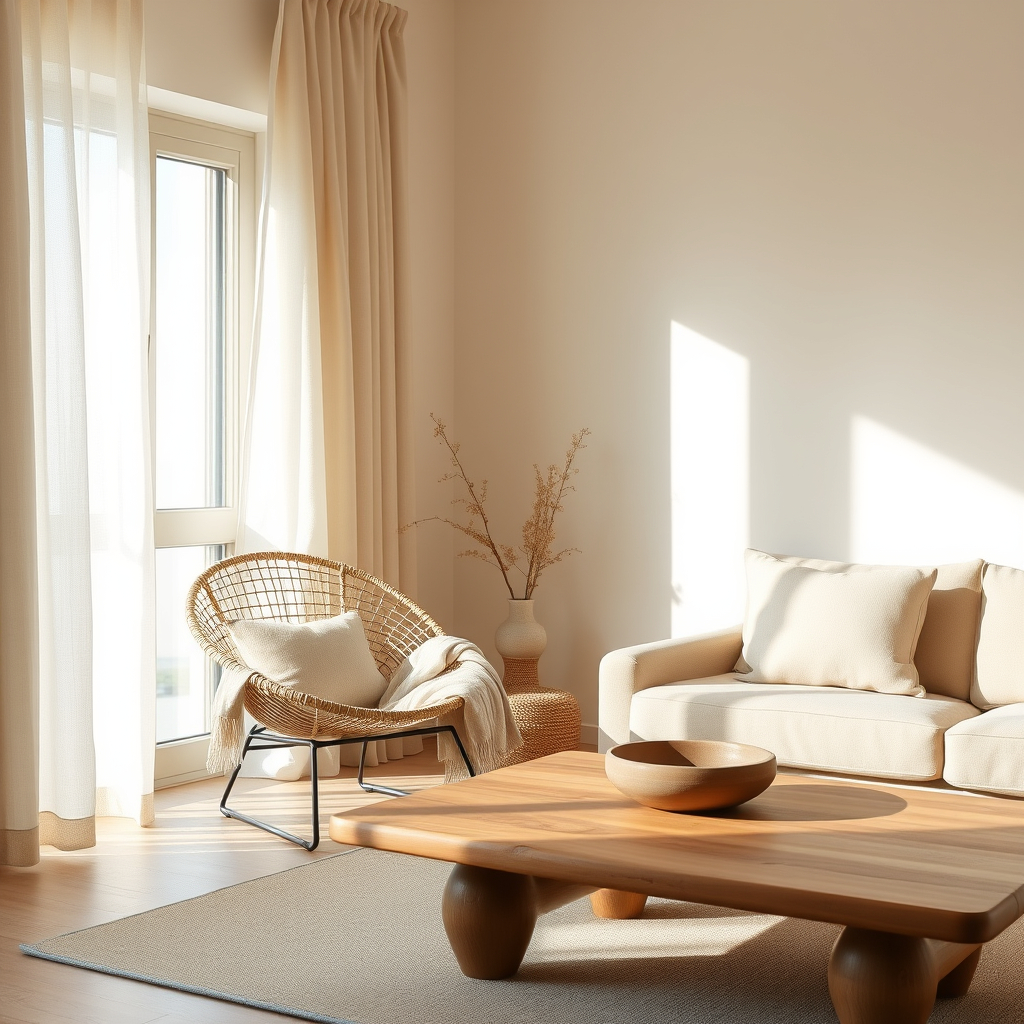
In the world of home design, minimalism has long been celebrated for its clean lines and clutter-free ethos. Yet a softer, more welcoming version is quietly taking shape. Warm minimalism blends the simplicity of minimalist design with natural warmth, creating spaces that feel both serene and deeply personal. Through earthy tones, natural materials, and carefully chosen details, a home can feel calm without feeling empty, much like the gentle atmosphere explored in Transform Your Home with Simple Mindful Living Habits.
Embracing Earthy Tones
Earthy tones are at the heart of warm minimalism. These colors draw inspiration from nature and bring a softness to the home that stark whites and cool greys often cannot. Soft browns, muted greens, warm creams, and gentle terracottas add depth without visual heaviness, helping a room feel both grounded and restful.
To introduce these tones, you might start with textiles, wall color, or decorative accents. A warm clay cushion, a muted olive throw, or a soft beige wall with golden undertones can shift the entire mood of a room while still preserving a clean and minimal feeling.
- Use warm neutrals instead of cool whites for a softer minimalist base
- Bring in muted greens and terracotta tones through textiles or ceramics
- Choose colors that feel sun-washed and natural rather than sharp or saturated
- Let earthy tones work with natural light to create quiet warmth
- Layer similar shades to create depth without cluttering the space
Minimalism feels gentler when the palette reflects the warmth of the natural world.
Choosing Natural Materials
The materials you bring into a minimalist home shape how it feels just as much as the colors do. Warm minimalism leans into materials that echo the outdoors, such as wood, stone, linen, wool, and clay. These elements add softness, texture, and authenticity, turning a simple room into one that feels lived in and connected to the earth.
Wood can appear in flooring, furniture, shelving, or smaller decorative details. Stone introduces grounding through surfaces or accessories. Linen curtains and wool throws bring movement and softness, helping minimalist spaces feel less stark and more comforting. If you love natural textures in practical spaces too, you may also enjoy Creative Kitchen Storage Solutions for Small Spaces.
- Choose wood furniture with visible grain for warmth and character
- Use linen, wool, or cotton for softness and natural texture
- Add stone or ceramic pieces to create visual grounding
- Mix materials thoughtfully so the room feels layered but calm
- Favor finishes that feel organic rather than glossy or overly polished
Adding Personal Touches Without Losing Simplicity
Minimalism is often misunderstood as the absence of personality. Warm minimalism takes a different view. It invites you to live with less, but not without meaning. A carefully chosen piece of art, a handmade vase, a stack of beloved books, or a vintage object with history can all add character while preserving a sense of openness.
The key is curation. Rather than filling a space with many decorative items, choose a few that reflect your taste and your story. These touches make a room feel human. Thoughtful. Warm. They also work beautifully alongside the gentle editing process described in Effective Decluttering Tips for a Calm Home.
- Display only a few meaningful objects instead of many decorative fillers
- Choose art and accessories that feel personal rather than trend-driven
- Let handmade or vintage pieces bring soul into a simple space
- Keep surfaces mostly clear so special objects have room to breathe
- Use restraint so warmth comes through without turning into clutter
A minimalist home becomes more beautiful when it feels thoughtful, personal, and quietly alive.
Creating a Home That Feels Serene and Welcoming
The beauty of warm minimalism lies in its balance. It keeps the clarity and spaciousness of minimal design, but softens it with materials, tones, and details that invite you to stay. A room can be simple without feeling bare. Calm without feeling cold. Intentional without feeling rigid.
When you blend earthy colors, natural textures, and meaningful objects, your home begins to feel less like a styled concept and more like a sanctuary. This is where minimalism becomes deeply livable. Not just visually pleasing, but emotionally grounding too.
- Keep only what supports the feeling you want your home to hold
- Use texture and tone to create softness instead of adding more objects
- Let function and beauty work together in every room
- Choose pieces that feel timeless and calming rather than overly trendy
- Build a home that reflects quiet confidence instead of perfection
Beyond Beige and Into a More Personal Kind of Minimalism
Warm minimalism reminds us that a simple home does not have to feel empty or impersonal. With earthy tones, natural materials, and a few meaningful touches, minimal spaces can feel deeply comforting and beautifully lived in.
If you are drawn to a slower, more intentional way of shaping your home and life, the 7-Day Calm Reset ebook offers gentle guidance for building a space that supports peace, clarity, and everyday beauty.
The 7-Day Calm Reset
A gentle week-long guide to reclaiming your attention, softening your daily rhythms, and returning to the things that quietly matter.
Download the Ebook — $27